Quick answer
Little-toe rubbing is often a forefoot-shape problem, not just a size problem. Start with shoes that give the outside forefoot usable room, then confirm the heel still holds and the upper does not push the fifth toe into a hard edge.
Why this problem happens
- The little toe can rub when the toe box narrows too quickly on the outside edge.
- A shoe may look long enough but still push the forefoot outward into a stiff sidewall.
- Hard overlays, inner seams, or a firm sidewall can turn a small mismatch into heat and friction after walking.
- Sizing up may loosen the heel before it gives the little toe more usable space.
What to look for
- A rounder toe-box shape rather than only extra length
- More usable outside forefoot room under full body weight
- A softer upper near the fifth toe
- Enough forefoot volume when standing and walking
- Heel hold that stays secure after choosing more forefoot room
- No hard seam directly over the rubbing point
Features to be careful with
- Pointed or fast-tapering toe boxes
- Hard sidewalls around the forefoot
- Buying longer when the heel already feels loose
- Wide labels that still taper quickly at the little-toe side
- Using a series name as proof that every exact model or version will fit the same
Who this guide is for
Use this guide if the outside of the little toe rubs, heats up, or feels pushed into the side of the shoe while the shoe still seems long enough. It is also useful when a wide width helped a little but did not remove the pressure point.
If you also have numbness, injury, swelling, or persistent pain, treat this as a shoe-fit checklist only and get professional advice for the health side.
Quick shortlist logic
- First compare toe-box shape: rounder and slower-tapering fronts are safer starting points.
- Then check upper behavior: soft material helps only if it does not press the foot into a hard sidewall.
- Then confirm heel hold: more forefoot room should not make the shoe feel sloppy behind the foot.
- Finally compare the exact current model, width, and gender version before buying.
Wide forefoot and tapered toe box are different problems
- A wider forefoot needs usable room across the ball of the foot, not only extra toe length.
- A tapered toe box can still press the fifth toe even when the stated width looks generous.
- Soft uppers help only when they do not push the foot into a hard sidewall.
When sizing up does not fix toe rubbing
Sizing up mainly adds length. If the heel becomes loose while the little-toe edge still rubs, the problem is more likely the last shape, taper, or sidewall than the number on the box.
Forefoot pressure when walking all day
Long walking can turn a small toe-box mismatch into heat, pressure, or soreness across the front of the foot. Judge the shoe after several minutes of walking, not only from the first standing check. For shoes that have to stay comfortable on your feet all day, compare the notes in our all-day standing and walking guide.
How to read the series directions below
ShoesFinder compares shoe series as starting points, not as exact model-by-model reviews. A series can change by generation, gender version, width option, and retailer availability.
Use the candidate list to decide what direction is worth trying first, then verify the exact current model and width before buying.
Source and review note
Last reviewed: 2026-06-04. This guide uses ShoesFinder fit tags and public series information to structure a try-on shortlist. It does not claim lab testing or guarantee comfort for every exact model.
Shoe-series directions to compare
Useful ShoesFinder filters: Little-toe friendly, Forefoot room.
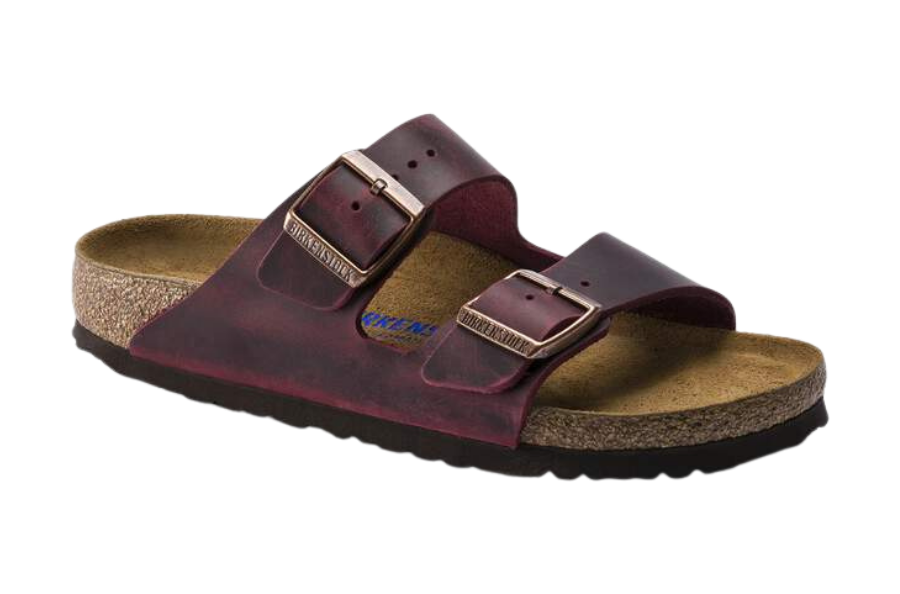
Sandals and slides
Birkenstock Arizona
Sandals and slides series direction from ShoesFinder's catalog. Compare it for forefoot room, little-toe friendly. Typical U.S. retail is about $110-$160.
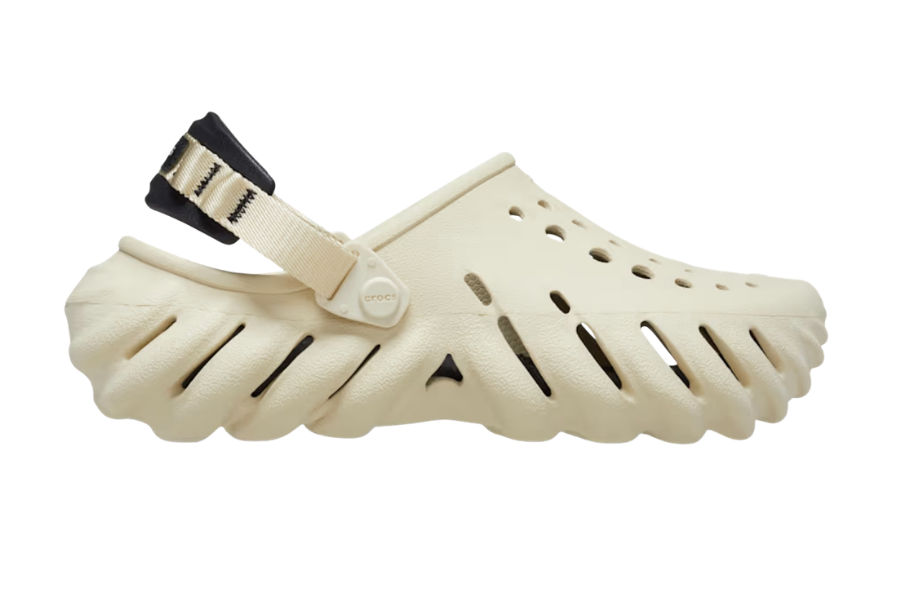
Sandals and slides
Crocs Echo Clog
Sandals and slides series direction from ShoesFinder's catalog. Compare it for forefoot room, little-toe friendly. Typical U.S. retail is about $70-$90.
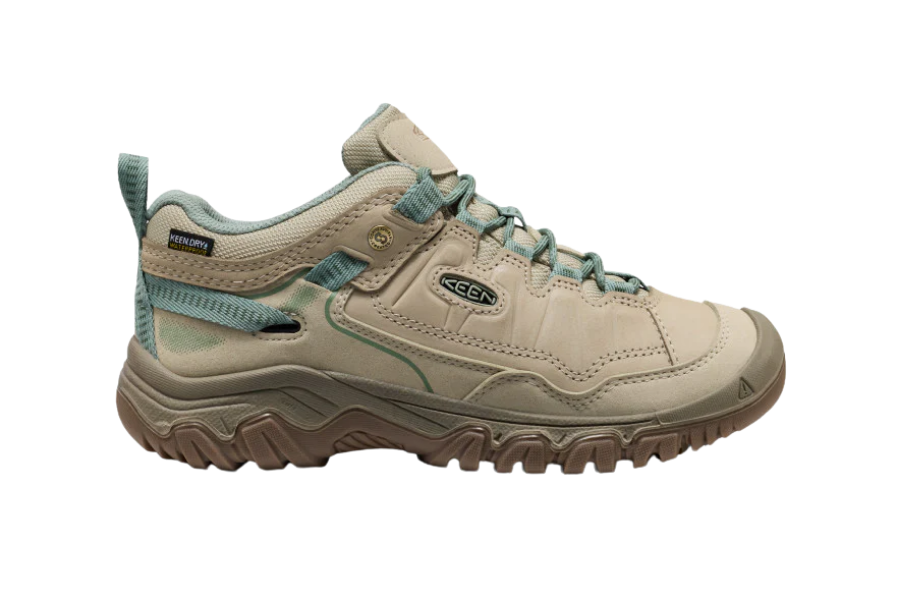
Hiking and outdoor
KEEN Targhee
Hiking and outdoor series direction from ShoesFinder's catalog. Compare it for forefoot room, little-toe friendly. Typical U.S. retail is about $155-$170.
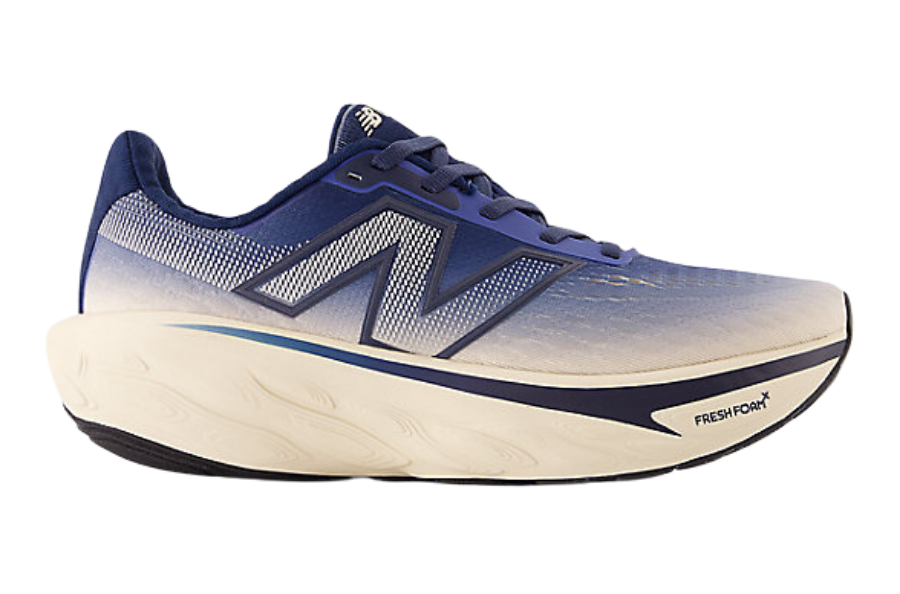
Running and walking
New Balance Fresh Foam X 1080
Running and walking series direction from ShoesFinder's catalog. Compare it for forefoot room, little-toe friendly. Typical U.S. retail is about $165.
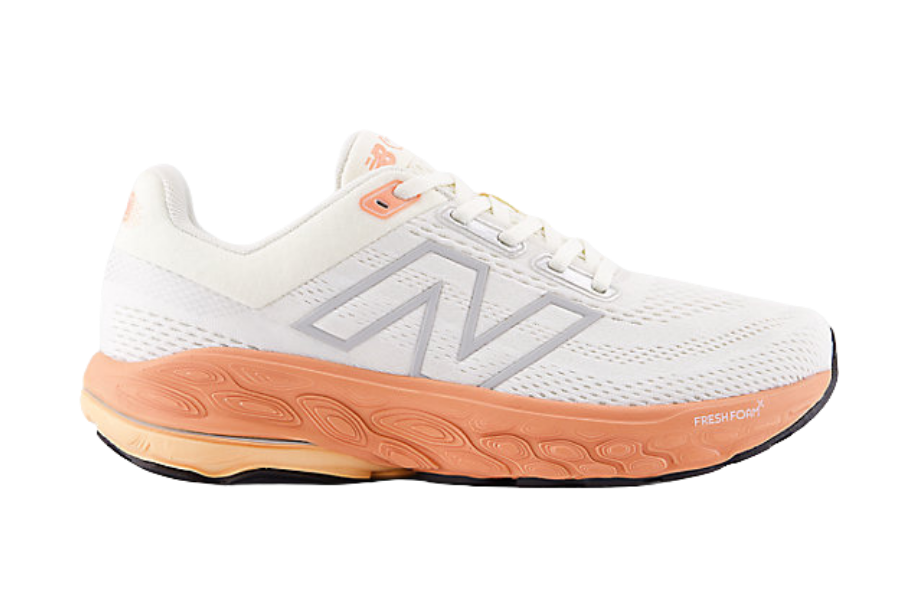
Running and walking
New Balance Fresh Foam X 860
Running and walking series direction from ShoesFinder's catalog. Compare it for forefoot room, little-toe friendly. Typical U.S. retail is about $140.
Try-on checklist
- Stand with full weight and check whether the little toe is already touching the sidewall.
- Walk for several minutes and notice heat on the outside forefoot.
- Press the upper around the fifth toe for hard overlays, seams, or edges.
- Check whether a longer size makes the heel loose before solving the toe pressure.
- If you compare a wide option, make sure the front shape is actually less tapered.
- Check both feet and use the more sensitive side.
FAQ
Is little-toe rubbing caused by shoes being too small?
It can be, but it is often about toe-box shape, outside forefoot space, and sidewall pressure.
Should I buy wide width?
Wide width may help if available, but still check whether the toe box tapers quickly near the little-toe side.
What should I feel during try-on?
The outside forefoot should not heat up, rub, or feel pushed into a hard edge after walking.
Can one shoe series solve this for everyone?
No. Treat each series as a direction to compare, then verify the exact model, width, and version on your own feet.
Turn this into a shortlist
Use the assessment if you are balancing more than one issue, or browse the catalog if you already know the main fit feature you want to compare.